
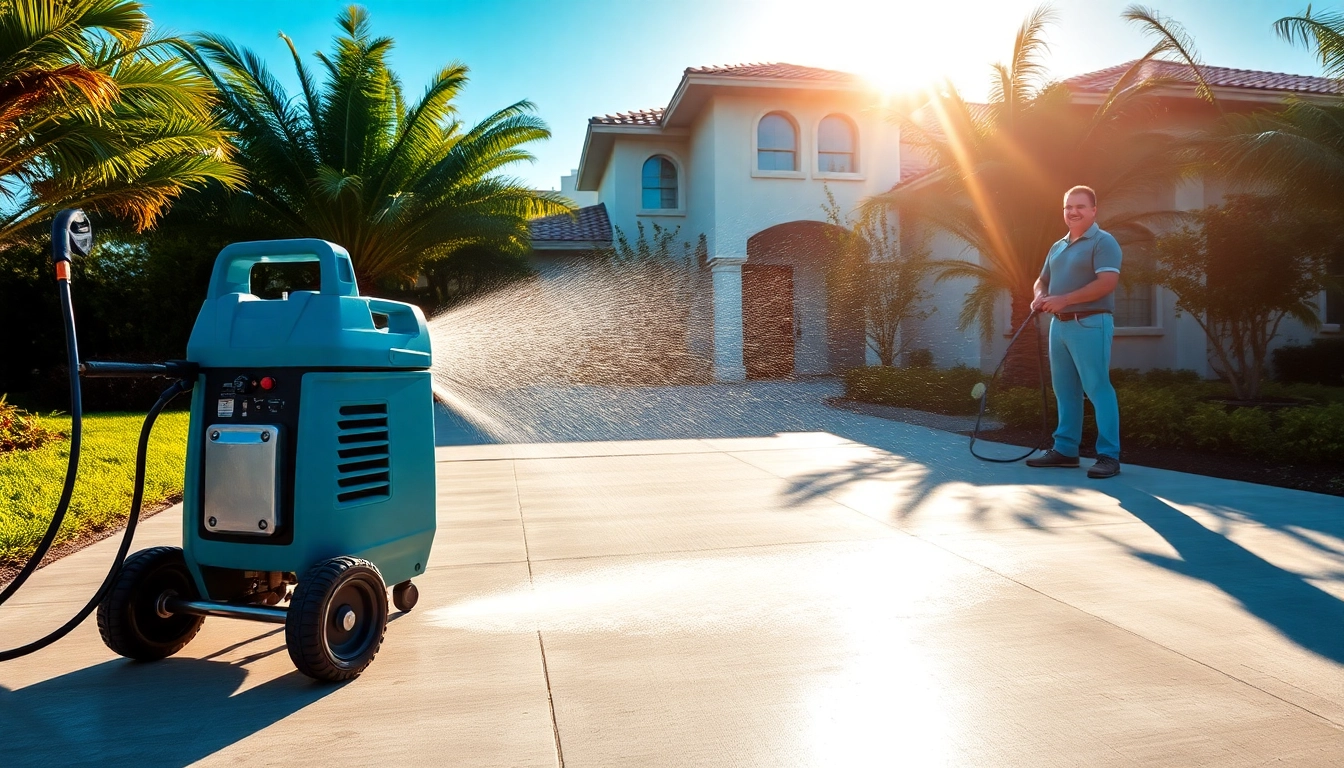
Understanding Concrete Cleaning Techniques
Concrete surfaces, whether they are driveways, patios, or walkways, endure a significant amount of wear and tear over time. Regular cleaning of these surfaces not only preserves their appearance but also extends their lifespan. In this guide, we delve into the science of concrete cleaning, exploring various techniques and methods available to ensure that your concrete remains in pristine condition.
The Science Behind Concrete Cleaning
Concrete is a porous material, which means it can absorb stains from oil, dirt, mildew, and other contaminants. The cleaning of concrete surfaces involves not only the removal of visible grime but also the elimination of deep-seated stains that can compromise structural integrity and aesthetics. Understanding the science behind how concrete interacts with these contaminants is crucial in selecting the right cleaning method.
Research shows that mold and algae can thrive on unclean concrete surfaces, especially in humid environments like Kissimmee, FL. Consequently, effective cleaning techniques focus on both surface cleaning and mildewcide application to prevent future growth.
Different Methods of Concrete Cleaning
Concrete cleaning can be executed through various methods, each suited for specific types of stains and surface conditions. Below are some widely used techniques:
- Pressure Washing: Utilizes high-pressure water jets to dislodge dirt and stains from concrete surfaces quickly. Ideal for removing grease, oil, and tough stains.
- Chemical Cleaning: Involves the use of specialized cleaning agents designed to break down stains on concrete. This method is particularly effective for rust stains and deep-set grime.
- Steam Cleaning: Uses high-temperature steam to effectively clean and sanitize concrete. This method is eco-friendly and safe for various surfaces.
- Hand Scrubbing: While labor-intensive, this method is effective for smaller areas, allowing for detailed attention to stubborn stains.
Choosing the Right Equipment for the Job
Selecting the proper equipment is essential in achieving optimal results when cleaning concrete. For pressure washing, consider the following:
- Pressure Washer Type: Choose between electric and gas-powered models based on the scale of the job. Gas models typically offer higher pressure and greater mobility.
- Nozzle Selection: Different nozzles provide varying spray patterns—wider angles are suitable for large areas, while narrower ones are better for tough stains.
- Surface Cleaners: Attachments that facilitate more even cleaning across large flat surfaces, minimizing streaking.
Benefits of Regular Concrete Cleaning
In addition to aesthetic advantages, regular concrete cleaning offers several critical benefits that enhance property value and safety.
Enhancing Curb Appeal and Property Value
A clean driveway or patio presents a well-maintained appearance that can significantly boost your home’s curb appeal. Studies indicate that properties with regularly maintained exteriors often command higher market values. By investing in routine cleaning, homeowners can ensure that their property not only looks appealing but potentially increases in value over time.
Preventing Damage and Extending Lifespan
Neglecting concrete cleaning can lead to the accumulation of dirt and contaminants, which can, in turn, cause surface deterioration over time. Regular cleaning helps prevent issues such as cracking, spalling, or scaling by removing harmful substances that can compromise the concrete’s integrity. As a result, property owners can extend the life of their concrete surfaces, reducing long-term repair costs.
Health and Safety Benefits of Clean Concrete
In addition to aesthetic and financial benefits, clean concrete surfaces are essential for safety. Mold, algae, and grime can create slippery surfaces, increasing the risk of accidents. Regular cleaning diminishes these hazards, ensuring a safer environment for residents and visitors alike.
Common Challenges in Concrete Cleaning
While concrete cleaning provides numerous advantages, it also comes with its own set of challenges that can complicate the process.
Addressing Stains and Embedded Grime
One of the most common challenges faced when cleaning concrete is dealing with deep stains. Oil spills, rust, and other substances can embed themselves in the concrete, making them difficult to remove. Effective stain removal often requires a combination of pressure washing and chemical treatments tailored to the specific type of stain.
Navigating Weather Conditions and Their Effects
Weather can significantly impact the effectiveness of concrete cleaning efforts. Rain, humidity, and extreme temperatures can either hinder cleaning progress or cause freshly cleaned surfaces to attract dirt more quickly. Therefore, it’s advisable to plan cleaning for days with favorable weather conditions to maximize results.
Environmental Considerations When Cleaning
As awareness of environmental issues grows, many property owners are seeking eco-friendly cleaning solutions. Traditional cleaning methods can lead to runoff containing harmful chemicals. Therefore, it’s crucial to use environmentally safe products and methods, such as biodegradable cleaning agents and water reclamation techniques, especially for commercial clients.
Step-by-Step Guide to Concrete Cleaning
To ensure effective results, following a structured approach to concrete cleaning is paramount. Below are essential steps to consider:
Preparing Your Surface for Cleaning
Before commencing any cleaning activities, it’s essential to prepare the surface adequately. Clear the area of furniture, vehicles, and debris to create a clean workspace. Also, perform a pre-inspection to identify problem areas that may require extra attention.
Executing the Cleaning Process Efficiently
Once you’ve prepared the area, it’s time to begin the cleaning process. For pressure washing, start with a low-pressure setting to gauge the surface’s response before adjusting the pressure as needed. Follow these common steps:
- Apply a pre-treatment solution if dealing with stubborn stains.
- Wash the concrete surface systematically, starting from one corner and moving across to ensure no area is missed.
- Rinse the surface thoroughly, ensuring that all cleaning agents and contaminants are completely washed away.
Post-Cleaning Maintenance Tips
After the cleaning is complete, consider implementing some maintenance practices to prolong the cleanliness of the surfaces. Sealant application can help protect the concrete from future stains, while regular sweeping and spot cleaning can keep it looking fresh.
Future Trends in Concrete Cleaning Services
The concrete cleaning industry is continuously evolving, driven by technological advancements and changing consumer preferences. Here are some emerging trends to watch for in the coming years.
Emerging Technologies and Techniques
Innovative technologies are shaping the future of concrete cleaning. For instance, robotics integrated with AI have begun to enter the sphere, offering solutions for automated cleaning processes that save time and labor costs. Furthermore, advancements in pressure washing equipment provide deeper cleaning capabilities with less water consumption.
Eco-Friendly Cleaning Solutions on the Rise
Given the increasing focus on sustainability, eco-friendly cleaning solutions are gaining traction. Cleaning companies are now offering bio-based detergents and multi-surface cleaner options that reduce environmental impact while maintaining effectiveness.
Predictions for the Industry in 2025 and Beyond
As we look towards 2025, we can expect the concrete cleaning industry to adopt even more sophisticated technologies and eco-conscious practices. This includes the potential for enhanced water reclamation systems that minimize waste and advanced training for technicians to ensure the highest standards in service delivery.