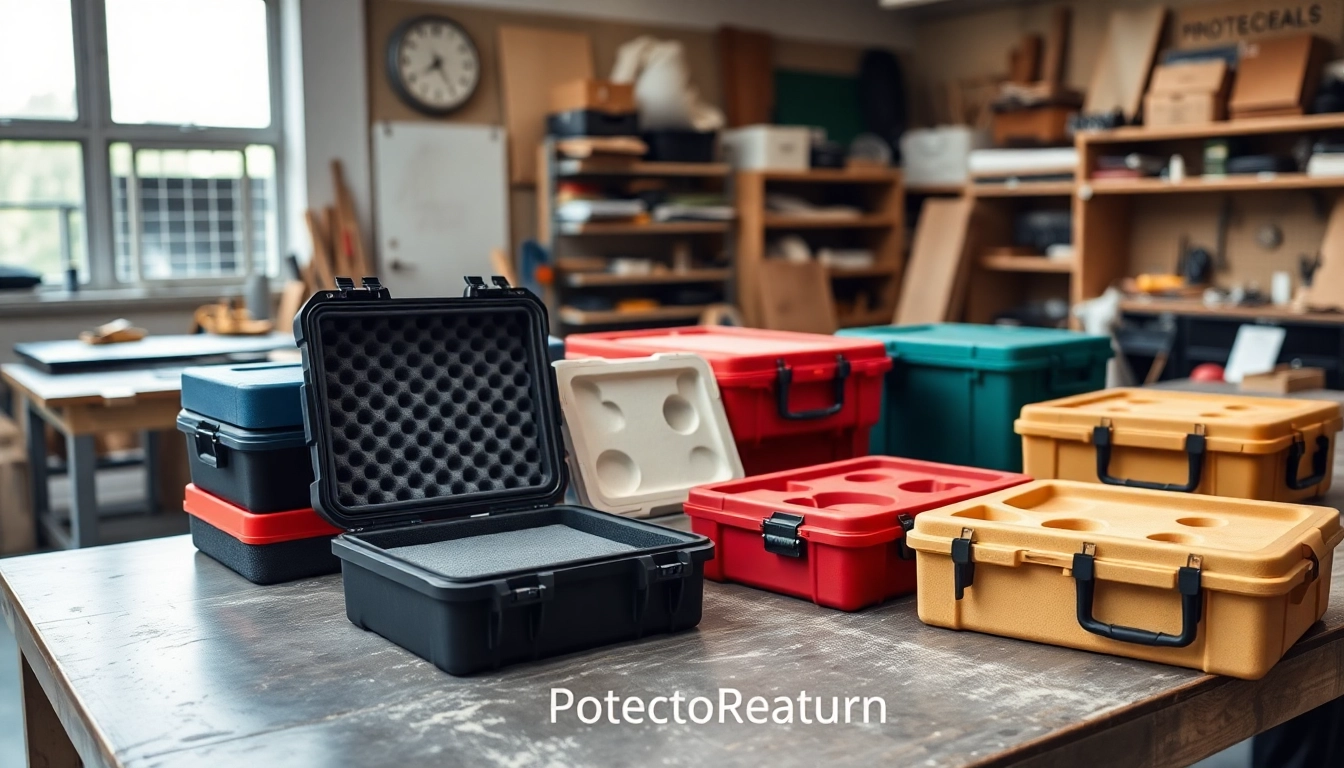
Introduction to Protective Foam Pelican Cases
When it comes to safeguarding valuable items, Protective foam Pelican Cases have become a popular choice. These cases offer exceptional durability, water resistance, and versatility, making them ideal for a range of applications—from photography gear to medical equipment and sensitive electronics. In this article, we delve into the key aspects of protective foam Pelican cases, exploring their benefits, various types of foam, customization options, and care tips.
What Are Protective Foam Pelican Cases?
Protective foam Pelican cases are specialized carry cases designed to protect contents from physical damage and environmental factors. The durable outer shell is typically made from high-quality resin, providing strong resistance against shocks, impacts, and moisture. The foam interior, which can be custom-designed, absorbs shocks and holds the contents securely, preventing movement during transit.
Benefits of Using Protective Foam Pelican Cases
There are several advantages to using protective foam Pelican cases:
- Impact Resistance: The hard exterior shell offers superior protection against physical shocks.
- Waterproof: These cases are designed to be watertight, ensuring that moisture cannot penetrate and damage the contents.
- Customizable Foam: Users can customize foam interiors to fit their specific equipment, allowing for secure transport.
- Variety of Sizes: Pelican cases come in various sizes, accommodating a wide range of equipment from cameras to firearms.
- Portable Design: Ergonomic handles and durable wheels facilitate easy transport.
Common Applications of Protective Foam Pelican Cases
Protective foam Pelican cases are commonly used in various fields:
- Photography and videography: To protect cameras, lenses, and lighting equipment.
- Medical: For transporting sensitive medical devices and supplies.
- Aerospace: To safeguard instruments and components during transport.
- Military: Used for transporting weapons, tools, and personal equipment.
- Electronics: To ensure that sensitive electronic devices remain damage-free.
Choosing the Right Foam for Your Pelican Case
Different Types of Foam Materials
When selecting foam for your Pelican case, it's essential to understand the types available:
- Closed-Cell Foam: Known for its sturdiness and moisture resistance. It does not absorb water, making it ideal for outdoor use.
- Open-Cell Foam: Offers better cushioning but absorbs moisture; thus, it's not suitable for wet environments.
- Memory Foam: Provides excellent cushioning and can conform to the shape of equipment, enhancing protection.
Factors to Consider When Selecting Foam
Choosing the right foam involves considering several factors:
- Equipment Type: The foam should match the nature and fragility of the items being transported.
- Environmental Conditions: Consider the conditions the case will face, including moisture and temperature variations.
- Customization Needs: Determine if custom cutouts are necessary for secure fitting.
Comparing Closed Cell Foam and Open Cell Foam
Understanding the differences between closed-cell and open-cell foams can guide your decision:
Closed-Cell Foam: Ideal for harsh conditions due to its water resistance and durability. It's less flexible but provides excellent protection against impact.
Open-Cell Foam: Provides more cushioning and flexibility but lacks the water-resistant properties. It is best used where moisture exposure is minimal.
Customization Options for Protective Foam Pelican Cases
Precision Cutting Techniques
The customization of foam inserts can be achieved using precision cutting techniques. Die-cutting allows for repeatable foam shapes, while CNC machining offers more complex and intricate designs based on specific equipment forms. This ensures a snug and secure fit, enhancing protection.
Designing Custom Inserts and Layouts
Designing custom inserts involves creating layouts that best suit your equipment's configuration. Using software tools, users can create a layout that outlines where each piece of equipment will sit—ensuring maximum protection and organization.
Innovative Foam Solutions for Specific Needs
For specialized applications, innovative solutions such as convoluted foam (egg-crate design) can be used to enhance airflow and reduce impact while cradling sensitive items. Custom mesh pockets can also be included for extra organization.
Maintaining and Caring for Your Protective Foam Pelican Cases
Cleaning Techniques for Foam Inserts
To ensure longevity, regular cleaning is essential. Use a damp cloth to wipe down the foam and remove debris. For deeper cleaning, a mild soap solution can be utilized, but ensure the foam dries completely to prevent mold growth.
Preventing Wear and Tear
To prevent wear and tear on foam inserts, avoid overloading the cases. Store them in a cool, dry place away from direct sunlight. Regularly check for signs of damage such as cracks or tears and address them promptly to extend the life of the foam.
Replacing Foam: When and How
Foam inserts should be replaced when they show significant signs of wear or fail to adequately protect your equipment. Replacement involves measuring the old foam and sourcing similar or custom inserts to maintain protection levels.
Conclusion and Future Trends in Protective Foam Pelican Cases
Emerging Technologies in Foam Production
Advancements in foam production technology, such as 3D printing, are paving the way for hyper-customization. This technology allows for intricate designs tailored to specific items, enhancing protection and usability.
Eco-Friendly Foam Options
With growing environmental concerns, eco-friendly foam made from sustainable materials is gaining traction. These alternatives not only provide necessary protection but also contribute to greener practices in packaging and transport.
Anticipating Future Consumer Needs
As consumer demands evolve, future foam solutions may include features such as antimicrobial properties or smart technology that monitors the condition of the equipment within the case, ensuring maximum protection.
Frequently Asked Questions
What types of equipment can I protect with Pelican cases?
Pelican cases are versatile and can protect cameras, medical devices, electronics, firearms, and even delicate instruments. Their customizable foam inserts provide tailored protection for various items.
Are Pelican cases waterproof?
Yes, Pelican cases are designed to be watertight, providing an additional layer of protection against water damage in adverse conditions.
How do I clean the foam inserts?
To clean foam inserts, use a damp cloth with mild soap for deeper cleaning. Ensure thorough drying afterward to prevent mold growth.
Can I customize the foam inserts?
Yes, foam inserts can be customized through precision cutting techniques to securely fit the specific equipment you intend to transport.
How often should I replace the foam inserts?
Foam inserts should be replaced if they show wear, cracking, or if the fit no longer adequately protects your equipment. Regular checks prevent unintentional damage.