Choosing the right chef's knife is a pivotal decision for any cooking enthusiast. A high-quality chef’s knife can enhance your culinary experience, whether you’re a novice in the kitchen or a seasoned home cook. Understanding how to choose a chef’s knife is essential for achieving efficiency and precision in food preparation. This guide will explore the various factors you should consider, dive into the different types of chef knives available, and offer maintenance tips to ensure longevity and performance.
Understanding Chef Knives
What is a Chef’s Knife?
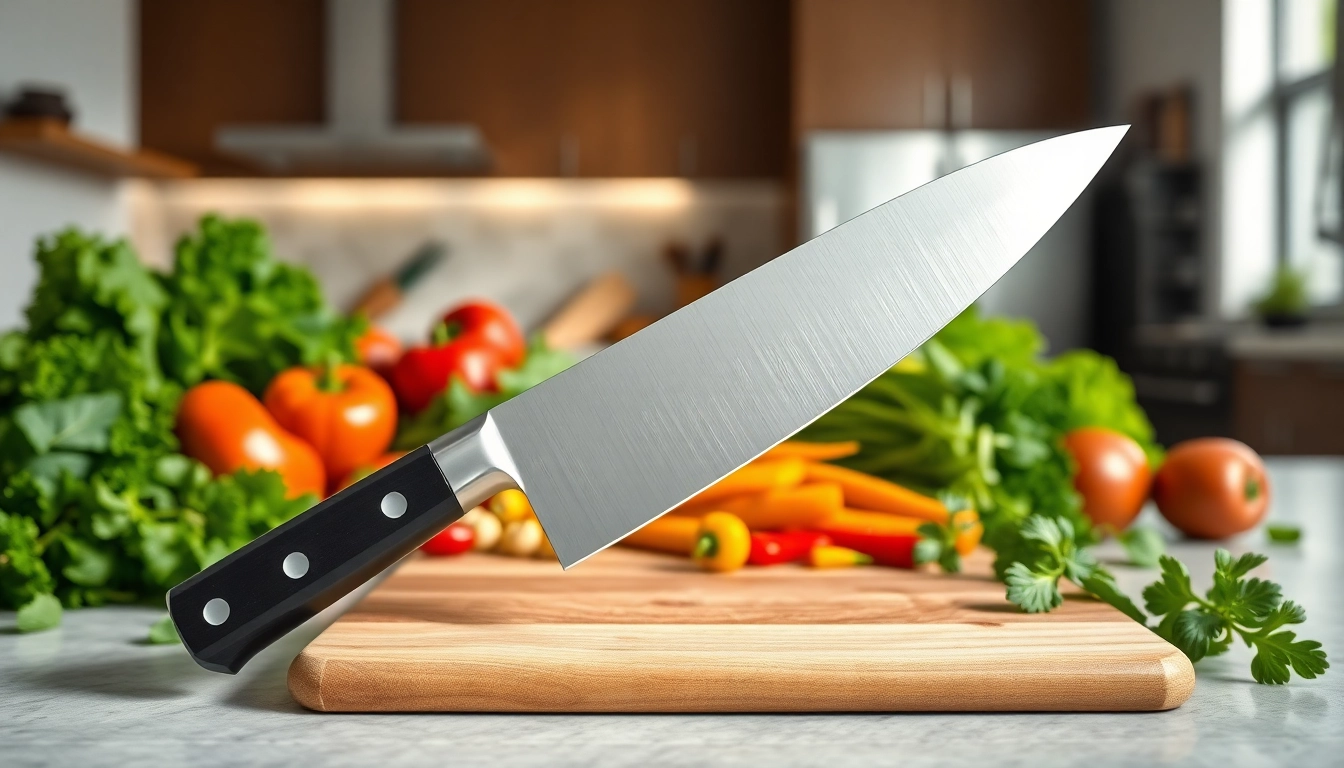
A chef’s knife is an all-purpose kitchen tool typically ranging from 6 to 12 inches in length. Its broad blade and sharp edge make it incredibly versatile, enabling chefs to perform a variety of tasks such as slicing, dicing, mincing, and chopping. The design has evolved over time, blending functionality with ergonomics to create a tool that fits comfortably in your hand and is efficient in use.
Key Features of Chef Knives
Several features distinguish a high-quality chef’s knife. The blade's composition, weight, and balance are crucial for effective usage. The blade material can greatly affect the knife's sharpness, durability, and ease of maintenance. Additionally, the bolster design—a thick part where the blade meets the handle—provides balance and safety, enhancing grip and control.
Common Uses in the Kitchen
Chef knives are generally used for preparing a wide range of foods. From chopping vegetables to slicing meat, the efficiency of a good chef’s knife can save significant preparation time. Furthermore, the ability to perform fine tasks like mincing garlic or herbs demonstrates the knife's versatility, making it an essential tool for any kitchen.
Factors to Consider When Choosing
Blade Material Selection
When selecting a chef’s knife, the blade material is one of the most critical factors. Common materials include stainless steel, carbon steel, and ceramic. Stainless steel blades, known for their durability and resistance to rust, are popular among home cooks. Carbon steel blades, while requiring more maintenance, provide superior sharpness and edge retention. Lastly, ceramic blades offer a lightweight, non-reactive option but lack the durability of metal blades.
Weight and Balance of the Knife
The weight of a chef’s knife can significantly influence your cooking experience. Heavier knives often provide more cutting power but may lead to fatigue during prolonged use. Conversely, lighter options provide agility but can lack the heft needed for tougher tasks. Balancing should also be considered; a well-balanced knife feels right in your hand, reducing the strain during cutting.
Handle Comfort and Grip
The handle of a chef’s knife should feel comfortable and secure in your hand. Common materials include wood, plastic, and metal. Wood provides a classic aesthetic but may require more care. Plastic handles may offer superior grip and comfort, while metal handles may be more durable. Always test the grip and comfort before making a purchase, as a secure hold is essential for safety and control.
Different Types of Chef Knives
Western vs. Japanese Chef Knives
When it comes to chef knives, Western and Japanese designs serve different purposes and preferences. Western chef knives are generally heavier with a thicker blade, suitable for a variety of tasks. In contrast, Japanese knives often feature a thinner, sharper blade, designed for precision and delicate slicing. They tend to be lighter and have a more acute angle, which may appeal to those who prioritize technique and finesse in their cooking.
Specialty Knives for Specific Tasks
In addition to traditional chef knives, various specialty knives are available to meet specific cooking needs. For instance, boning knives excel at deboning meat, while filleting knives are designed for fish. Additionally, paring knives are excellent for intricate tasks like peeling or scoring. Depending on the range of ingredients you work with, adding these specialty knives to your collection can enhance your culinary capabilities.
Multi-purpose vs. Single-purpose Knives
Multi-purpose knives, such as traditional chef knives, can handle a broad spectrum of kitchen tasks. Single-purpose knives, while highly specialized, are often used for specific tasks. It's essential to evaluate your cooking habits to determine whether a versatile chef knife or a combination of specialized knives best suits your needs.
Maintaining Your Chef Knife
Proper Cleaning Techniques
After using your chef’s knife, proper cleaning is essential to maintain its performance and longevity. Hand washing with warm, soapy water is recommended—avoid putting it in the dishwasher, as high heat can damage both the blade and handle. Store the knife in a knife block or sheath to protect the edge from dulling and corrosion.
Sharpening Your Knife
Keeping your chef knife sharp is crucial for efficient cooking. Depending on usage, sharpening may be required every few months. You can sharpen your knife using a whetstone, honing rod, or professional service. Regular honing helps align the edge, while sharpening removes material to restore the knife’s acute angle.
Storing Your Chef Knife Safely
Proper storage is essential for maintaining the quality and longevity of your chef knife. Knife blocks, magnetic strips, or sheaths provide safe storage options that protect the blade from damage. Avoid storing knives loosely in drawers, as this can cause chipping or dulling of the edges.
Frequently Asked Questions
How do I know which chef knife is right for me?
Your ideal knife depends on your cooking style, preferences, and comfort. It’s best to try a few options at a kitchen store to see which fits well in your hand.
What is the ideal weight for a chef knife?
The ideal weight varies by personal preference. A heavier knife provides more cutting power, while a lighter one offers dexterity. Choose what feels best for your cutting tasks.
Can I use a chef knife for all types of food?
Chef knives are versatile and can handle most tasks, but for specialized tasks, such as filleting a fish or peeling vegetables, dedicated knives may work better.
How often should I sharpen my chef knife?
Generally, you should sharpen your knife every few months, depending on usage. Regular honing after each use helps maintain its sharpness between sharpenings.
What’s the best way to clean my chef knife?
Hand wash your knife with warm, soapy water, then dry it immediately. Avoid the dishwasher, as high temperatures can damage both the blade and handle.