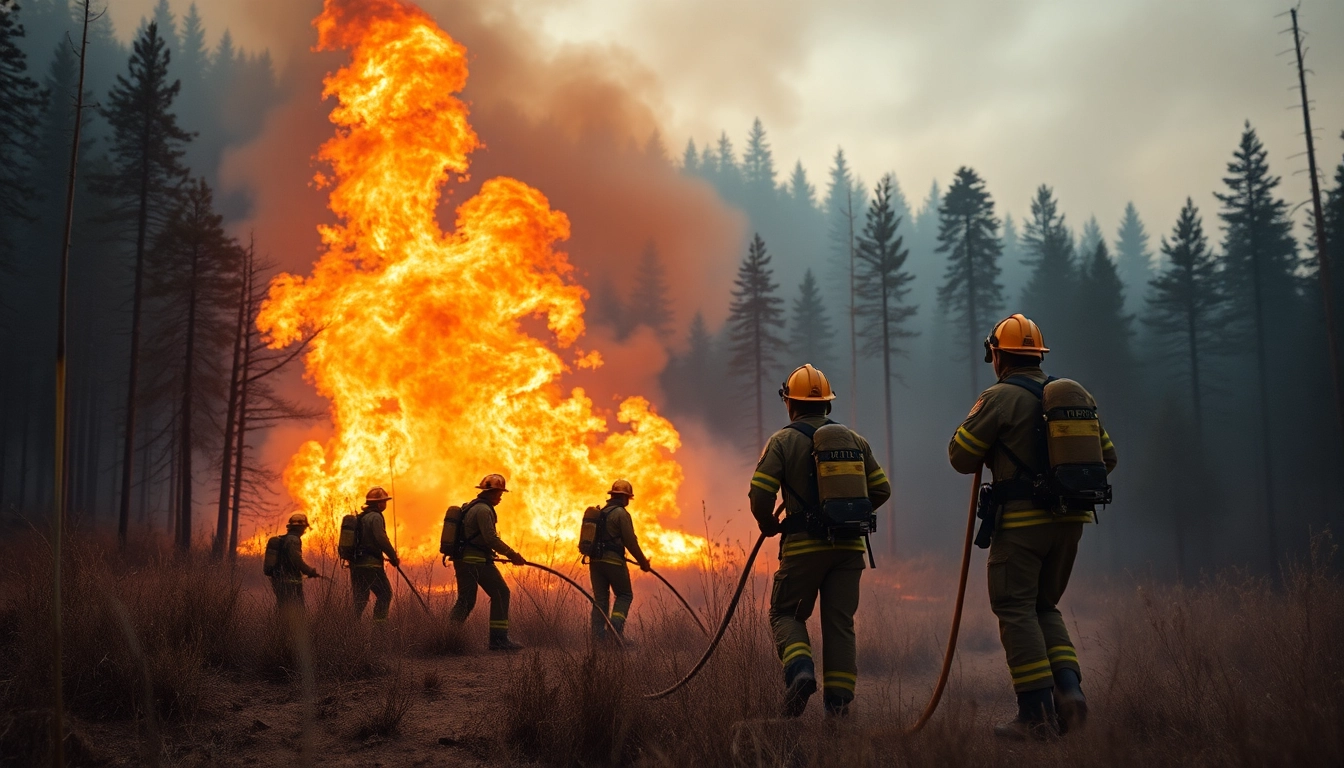
Overview of Wildfire Events
Wildfire events are natural occurrences where uncontrolled fires burn in vegetation and forested areas. These fires can devastate ecosystems, affect air quality, and endanger human life and property. Recent trends show that the frequency and intensity of Wildfire events are on the rise, primarily due to climate change and human factors. Understanding the nature of these fires, their causes, and their consequences is essential for effective management and prevention.
Definition and Types of Wildfire Events
A wildfire is defined as any uncontrolled fire occurring in wildland areas. Various types of wildfires include:
- Forest Fires: Occur in forested areas and can lead to widespread destruction.
- Grassland Fires: Common in prairies, these fires can spread rapidly across dry grass.
- Brush Fires: Involves shrubs and bushlands, often found in Mediterranean climates.
- Controlled Burns: These are intentional fires set to manage vegetation and reduce fuel for potential wildfires.
Importance of Fire in Ecosystems
While wildfires pose threats, they are also a significant part of natural ecosystems. Fire helps to:
- Promote the growth of certain plant species adapted to fire.
- Restore nutrients to the soil by breaking down organic matter.
- Reduce the buildup of flammable materials, preventing larger future fires.
Through this natural cycle, certain wildlife also thrives, creating a balanced ecosystem.
Statistics on Wildfire Events
Recent data illustrates the alarming rise in wildfire activity:
- In the United States alone, millions of acres are burned annually.
- The last decade has seen some of the largest and most destructive wildfires on record.
- Hotter and drier climates are responsible for lengthening wildfire seasons across many regions.
Causes of Wildfire Events
Understanding the root causes of wildfire events is paramount. They can stem from both natural phenomena and human activities.
Natural vs. Human Causes of Wildfire Events
Wildfire events can be ignited by natural occurrences, predominantly:
- Lightning: A significant natural ignition source, especially during thunderstorms.
- Volcanic Activity: Lava flows and pyroclastic flows can ignite surrounding vegetation.
On the human front:
- Arson: Purposefully set fires cause many incidents.
- Negligence: Unattended campfires, discarded cigarettes, and fireworks are common culprits.
- Agricultural Practices: Crop burning can spread unintentionally into wild areas.
Climate Change and Its Role
Climate change significantly influences wildfire patterns. It leads to:
- Prolonged droughts drying out vegetation, creating optimal conditions for fires.
- Increased temperatures, enhancing the likelihood of fire ignition.
- Altered precipitation patterns that can lead to large vegetation growth followed by dry spells.
The Effect of Land Management Practices
Land management plays a crucial role in wildfire prevention and response. Poor practices can exacerbate wildfire risks:
- Overgrown Vegetation: Lack of controlled burns may lead to excessive fuel buildup.
- Infrastructure Development: Urban expansion into fire-prone areas increases risks to human life and property.
- Invasive Species: Non-native plants may be more flammable, increasing overall fire hazards.
Impacts of Wildfire Events
The ramifications of wildfire events are vast, affecting the environment, human health, and the economy.
Environmental Consequences of Wildfire Events
Wildfires can have profound environmental impacts, such as:
- Loss of biodiversity as habitats are destroyed.
- Changes in soil composition that affect plant regrowth.
- Air and water pollution from smoke and ash deposition.
Health Risks Associated with Wildfire Events
The health implications from wildfire exposure cannot be understated. Some risks include:
- Respiratory issues from smoke inhalation, particularly affecting vulnerable populations.
- Psychological impacts stemming from evacuation stress and loss.
- Heat-related illnesses during fire emergencies.
Economic Costs of Wildfire Events
Economically, wildfires exert a significant toll through:
- Costly firefighting efforts that drain public resources.
- Loss of property and assets leading to long-term financial distress.
- Negative impacts on local economies reliant on tourism and agriculture.
Managing and Responding to Wildfire Events
Effective management and response to wildfire events are critical for reducing associated risks and impacts.
Preventative Measures Against Wildfire Events
Preventative strategies can significantly reduce wildfire risks. Some effective measures include:
- Creating Firebreaks: Clearing vegetation around properties reduces fire access.
- Regular Controlled Burns: Mimicking natural fire regimes to manage vegetation density.
- Public Education: Increasing awareness on fire safety and prevention practices.
Firefighting Strategies and Technologies
The fire response involves various strategies and technologies, including:
- Aerial Firefighting: Utilizing helicopters and planes to drop water and retardants.
- Ground Crews: Trained professionals on the ground working to contain fires.
- Early Detection Systems: Use of drones and satellite imagery for real-time monitoring and alerts.
Community Engagement and Preparedness
Community preparedness is key in mitigating the impacts of wildfires:
- Organizing local training for emergency response.
- Creating community disaster plans that include evacuation routes.
- Encouraging residents to create defensible spaces around their homes.
Future Directions in Wildfire Event Management
As climates evolve and wildfire patterns change, innovative management approaches become essential.
Innovations in Wildfire Event Research
Research is continually advancing our understanding of wildfires. Innovations include:
- Development of predictive modeling to anticipate wildfire behavior.
- Research into fire-resistant building materials and design.
- Studying the ecological benefits of wildfires to promote healthy landscapes.
Policies for Mitigating Wildfire Events
Effective policies can guide community and governmental responses. Key areas include:
- Creating stricter regulations on land use in high-risk areas.
- Incentivizing the use of sustainable land management techniques.
- Promoting coordinated efforts among federal and state authorities for fire management.
Role of Technology in Monitoring and Response
The integration of technology in wildfire management is crucial:
- GIS and remote sensing for mapping fire spread.
- Mobile applications to disseminate information to the public quickly.
- Artificial intelligence to enhance resource allocation for firefighting efforts.
Frequently Asked Questions
What is the deadliest wildfire in history?
The Peshtigo Fire, which occurred in Wisconsin, holds this tragic title, resulting in the deaths of around 1,500 people.
How can I prepare my home for a wildfire?
Create defensible spaces, use non-flammable materials for construction, and maintain clear vegetation around your property.
Are wildfires beneficial to ecosystems?
Yes, wildfires can rejuvenate ecosystems by clearing dead vegetation, promoting new growth, and maintaining ecological balance.
What should I do during a wildfire evacuation?
Stay calm, follow evacuation orders, secure your home if safe, and have an emergency kit ready.
How do firefighters contain wildfires?
They use a combination of aerial equipment and ground crews to create firebreaks, apply water or retardants, and monitor fire behavior.