
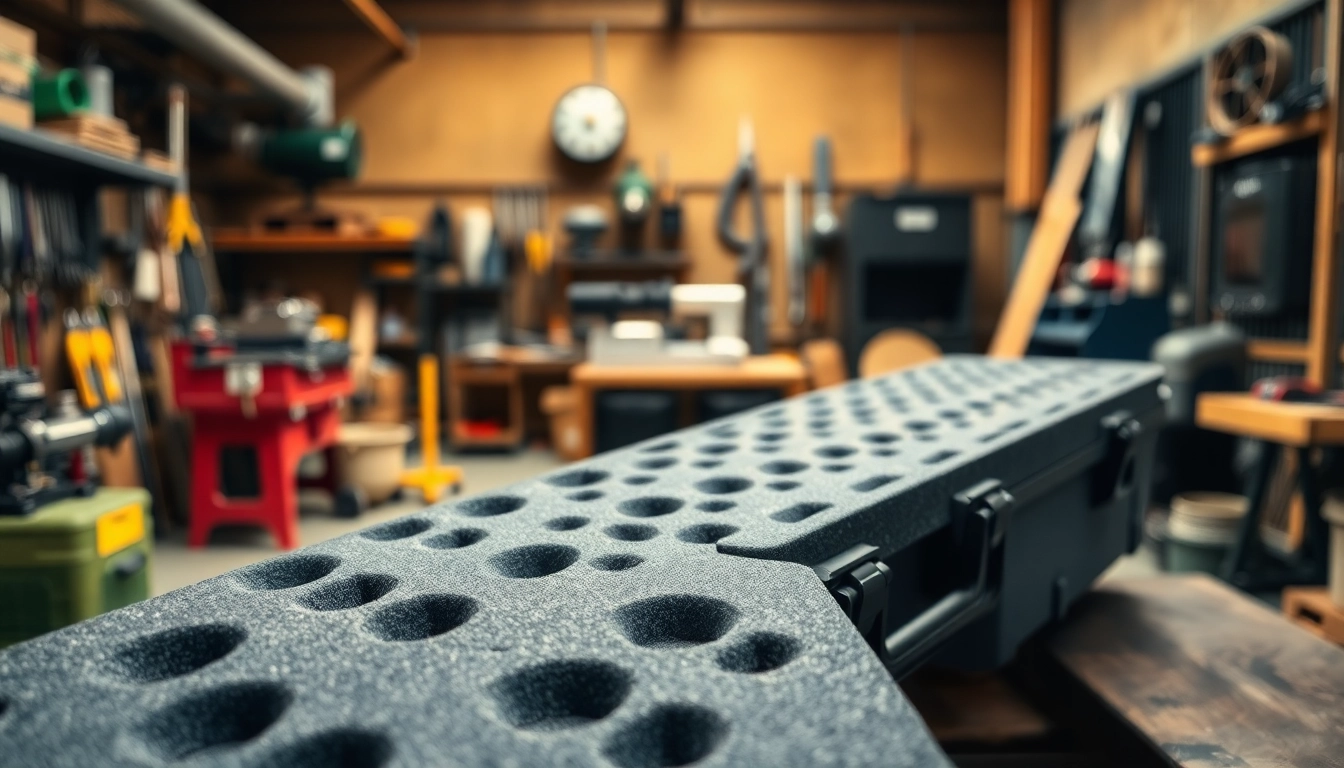
Understanding Foam for Rifle Case
What is Foam for Rifle Case?
Foam for rifle case is a specialized material designed to protect firearms during transportation and storage. It acts as a cushion, absorbing shocks and preventing damage from impacts, moisture, and dust. The foam is custom-cut to fit the unique contours of a rifle, ensuring that it remains secure and stable inside the case. This protective layer not only keeps the rifle safe but also helps maintain its integrity and functionality over time. For those looking to purchase quality foam for rifle case, understanding the different types and their benefits is crucial.
Types of Foam for Rifle Cases
When it comes to foam for rifle cases, there are several types available, each with distinct properties to suit various needs. These include:
- EVA Foam: Ethylene-vinyl acetate (EVA) is popular for its durability and flexibility. It provides excellent cushioning and resistance to UV rays.
- Polyethylene Foam: Known for its firmness, this foam offers superior protection against impacts and is often used in military and commercial applications.
- Convoluted Foam: Also called egg crate foam, this type has an uneven surface that enhances the grip and cushioning effect, ideal for delicate scopes and accessories.
- Reticulated Foam: This open-cell foam is ideal for moisture absorption, making it suitable for environments where humidity may be a concern.
Benefits of Using Foam for Rifle Case
The benefits of incorporating foam for rifle cases extend beyond mere cushioning. Here are some significant advantages:
- Shock Absorption: Foam mitigates the impact that a rifle might experience during transport, safeguarding against mechanical failures.
- Custom Fit: Users can cut foam pieces to snugly fit the specific rifle model, increasing stability and reducing movement within the case.
- Noise Reduction: Foam dampens vibrations and sounds, ensuring that the case remains quiet during transport.
- Protection Against Elements: Many types of foam offer moisture resistance, shielding the rifle from environmental factors.
Selecting the Right Foam for Your Rifle Case
Evaluating Density and Thickness
When selecting foam for a rifle case, density and thickness are two critical factors to evaluate. Density refers to the mass per unit volume and is indicative of the foam’s stiffness and support. Higher density foams can withstand more significant impacts and offer better protection for heavier rifles. Conversely, lower density foams may provide adequate protection for lighter firearms.
Thickness also plays a vital role. A thicker foam layer can absorb impact forces better, especially when transporting your rifle. However, overly thick foam may bulk up the case unnecessarily, complicating storage and handling.
Customization Options for Foam
Customization is an essential aspect of selecting foam for a rifle case. Custom-cut foam allows for precise fitting, cradling the rifle and its components securely. Users can choose to create cutouts for scopes, magazines, and other accessories, ensuring everything stays organized and protected.
Additionally, many companies offer options to choose colors, patterns, and specific densities tailored to individual preferences and needs. This customization not only enhances functionality but also gives a personal touch to the case.
Common Mistakes to Avoid
While selecting foam for your rifle case, several common mistakes can hinder performance and protection:
- Choosing the Wrong Density: Picking foam that is too soft can lead to inadequate protection, while overly firm foam might not conform well to the rifle’s shape.
- Neglecting Measurements: Failing to accurately measure the rifle and its components can result in gaps or an improper fit, decreasing protection.
- Overlooking the Environment: Not considering the environmental conditions where the foam will be used can lead to deterioration. For instance, using foam that absorbs moisture in a high-humidity area can promote mold growth.
Installation and Maintenance of Foam for Rifle Case
How to Cut Foam for Rifle Case Properly
Cutting foam for your rifle case requires careful handling to achieve an accurate fit. Begin by placing your rifle on a flat surface and measuring its dimensions. Using a pen, mark the outline of the rifle on the foam.
Employ a sharp utility knife or specialized foam cutter for clean cuts. It’s best to make slow and steady cuts, following the marked lines closely. During the cutting process, hold the foam securely to avoid shifting, and consider using a straightedge as a guide for long cuts.
Ensuring Longevity of Your Foam
To prolong the life of your foam, store it in a cool, dry place away from direct sunlight. Avoid exposing it to harsh chemicals or extreme temperatures, which can degrade its quality. Regularly inspect the foam for signs of wear or damage, and replace it when necessary to maintain protection for your rifle.
Cleaning Tips for Foam Materials
Maintaining your foam is crucial for its effectiveness. To clean, use a mild detergent mixed with water and a soft cloth or sponge. Lightly scrub the foam, ensuring you avoid soaking it, as excessive moisture can lead to mold growth. Rinse with a damp cloth afterward and allow the foam to air dry completely before placing it back in the rifle case.
Performance Metrics for Foam Quality
Testing Insulation and Shock Absorption
To ensure the foam quality is up to par, various performance metrics can be tested. Shock absorption is crucial, and testing involves measuring how much impact force the foam can mitigate. This is typically assessed using standardized drop tests that simulate real-life scenarios where the case may experience shocks.
Additionally, insulation properties can be evaluated through thermal testing, determining how effectively the foam maintains temperature stability within the case. This is critical for preserving the integrity of the rifle, especially under extreme conditions.
Durability Standards for Foam
The durability of foam should meet certain industry standards to ensure long-term use. Look for foams that comply with relevant standards regarding tear strength, compression resilience, and overall lifespan. Durable foams not only resist wear but also maintain their physical properties over time.
Customer Reviews and Feedback
One of the best ways to gauge foam quality is through customer reviews and feedback. User testimonials provide insights into real-world experiences, indicating how well the foam holds up under various conditions and how effectively it protects their firearms. Pay attention to comments about construction quality, fit, and longevity, which can inform your purchasing decisions.
Frequently Asked Questions
What type of foam is best for rifle cases?
The best type of foam typically includes polyethylene for its strength or EVA for flexibility. Choose based on specific needs and rifle types.
How do I cut foam for my rifle case?
Use a utility knife for precision cuts. Measure the rifle, mark the foam, and cut steadily along the marked lines.
Does foam come in different densities?
Yes, foam is available in various densities, affecting its cushioning and protective qualities. Higher densities offer more support.
How can I clean my rifle case foam?
Clean with a mild detergent and damp cloth. Avoid soaking; instead, let it air dry fully before use.
Can I customize foam for my specific rifle?
Absolutely! Many manufacturers offer options for custom-cut foam to fit specific rifle models and accessories perfectly.